
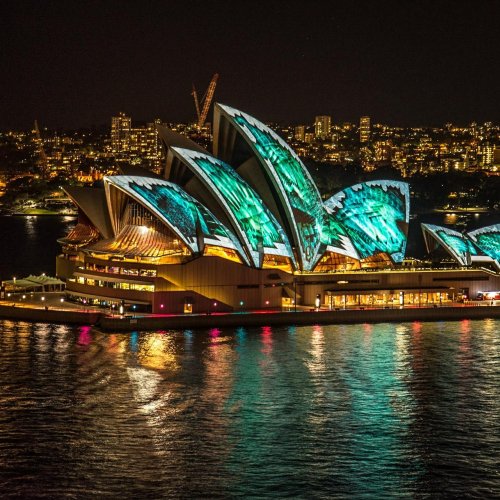
Australia & New Zealand Regional Market Overview
The Australia & New Zealand White-Label license grants exclusive operational rights across Oceania’s premier consumer landscape. Known for its high disposable incomes, tech-forward population, and vibrant outdoor culture, this region presents an ideal environment for Bitspire’s geolocation advertising platform. From Sydney and Melbourne to Auckland and Wellington, this license allows you to connect premium brands, local merchants, and outdoor enthusiasts through interactive mobile campaigns.
With world-leading smartphone penetration and strong retail expenditure, Australia & New Zealand offer fertile ground for interactive geolocation marketing, AR-driven rewards, and digital foot-traffic monetization. As the sole regional operator, you receive a turnkey B2B SaaS business built for immediate deployment.
1. Key Regions and Urban Hubs
-
Sydney & New South Wales (Financial & Commercial Core)
- Core areas: Sydney CBD, Darling Harbour, Bondi, Parramatta, Chatswood.
- Major advertising drivers: Financial services, luxury retail, hospitality, entertainment, and tourism.
- Points of engagement: High-street retail precincts, transit hubs, coastal promenades, and dining districts.
- Marketing potential: Highly affluent consumers eager for interactive retail rewards and location-based promotions.
-
Melbourne & Victoria (Cultural & Retail Capital)
- Core areas: Melbourne CBD, Southbank, Chapel Street, St Kilda, Docklands.
- Major advertising drivers: Fashion, gastronomy, coffee culture, arts, and major sporting events.
- Points of engagement: Famous laneways, shopping arcades, stadium precincts, and urban parks.
- Marketing potential: Exceptional engagement for gamified brand drops during major events and retail campaigns.
-
Auckland & New Zealand Hubs (Oceania Tourism & Tech Gateway)
- Core areas: Auckland CBD, Viaduct Harbour, Wellington, Christchurch.
- Major advertising drivers: Eco-tourism, outdoor lifestyle, craft dining, and regional retail.
- Points of engagement: Waterfronts, tourist corridors, university zones, and transport hubs.
- Marketing potential: Connect travelers and locals with real-world business offers through SurpriseMap exploration.
2. Marketing & Business Opportunities
Oceania’s affinity for outdoor activity and premium retail creates massive scope for B2B advertiser onboarding and high-margin platform monetization.
A. High-Street Retail & Lifestyle Brands
- National retail chains and fashion houses can launch location-based reward drops to direct foot traffic into physical storefronts.
- Example: A athletic wear brand places Surprise Boxes outside popular running trails in Sydney, granting discount passes redeemable at nearby flagships.
B. Hospitality, Sports & Festival Activations
- Stadiums, festival organizers, and dining groups can engage visitors during major sporting and cultural events.
- Example: A coffee franchise launches a “Melb Coffee Trail” in SurpriseMap, rewarding users who visit participating cafes across Melbourne.
C. Tourism & Regional Exploration
- Regional tourism boards and resort operators across New Zealand and Queensland can create gamified exploration routes, driving visitor spending to local merchants.
3. Business Model & Revenue Potential
Operating as the exclusive White-Label licensee, you run a high-margin digital advertising network backed by automated cloud infrastructure.
A. Revenue Distribution
- White-Label Licensee Share: You retain 85% to 95% of all ad revenues generated within Australia & New Zealand.
- LandBits Owner Share: Digital land tile owners earn up to 30% revenue sharing from campaign activity on their coordinates.
- Primary Income Streams: B2B enterprise ad packages, digital tile sales in high-traffic city centers, micro-campaigns for local SMEs, and event-based ad drops.
B. Market Projections
- Estimated Year 1 Active Users: 180,000 – 300,000 active players across major metropolitan areas.
- Average Campaign Value: €500 – €6,000+.
- Estimated Year 1 Territory Turnover: €3.2M – €5.5M.
- LandTile Commercial Value Appreciation Forecast: Sydney CBD (+380%), Melbourne Laneways (+340%), Auckland Waterfront (+310%).
4. What’s Included in Your Turnkey SaaS Platform?
- Rebrandable Admin Control Panel: Manage client accounts, set ad pricing, track regional revenue, and monitor network analytics.
- Self-Service Campaign Builder: Allows local advertisers to set GPS coordinates, upload promotional assets, and track foot-traffic conversions.
- Automated Billing & Settlement: Enterprise cloud infrastructure handling seamless payout distribution in USD/EUR.
- 100% Technical Maintenance: Bitspire handles server hosting, security updates, mobile app updates, and API management.
5. Strategic Advantage & Territory Monopoly
Securing the Australia & New Zealand License guarantees exclusive territorial rights over one of the world’s most affluent, tech-literate commercial markets. You gain an immediate digital advertising monopoly with zero software development overhead.